
2026 Open Workout 26 2 Women Rx

- June 2, 2026
- 125
- Uncategorized
Consequently, they can unlock the many benefits that come with maintaining an active lifestyle. Adaptive physical activities offer a pathway to a healthier and more fulfilling lifestyle for individuals of all abilities. Whether it’s building strength, improving flexibility, or boosting cardiovascular health, adaptive activities make fitness accessible and enjoyable for everyone. By tailoring exercises to meet individual needs, adaptive fitness empowers people to stay active, enhance their well-being, and regain independence. To find local programs, consider reaching out to nearby community centers, gyms, or recreation facilities.
The 10 Best At-Home Workout Routines: The Ultimate Guide for Training Without a Gym
Exercise programs adapted for different ages are particularly important when exercising alone, as balance and coordination capabilities differ significantly across different age groups. Leaning on a chair or wall while exercising provides added support during standing exercises. Post-injury exercise programs must consider factors such as bone density, joint health, and cardiovascular capacity.
What is Adaptive Fitness Training?
Tailored exercises can help manage symptoms, improve function, and boost overall well-being. Exercise modifications by age often involve emphasizing recovery because healing speed can slow over time. Coordinating training efforts with proper nutrition ensures a stronger return to full activity.
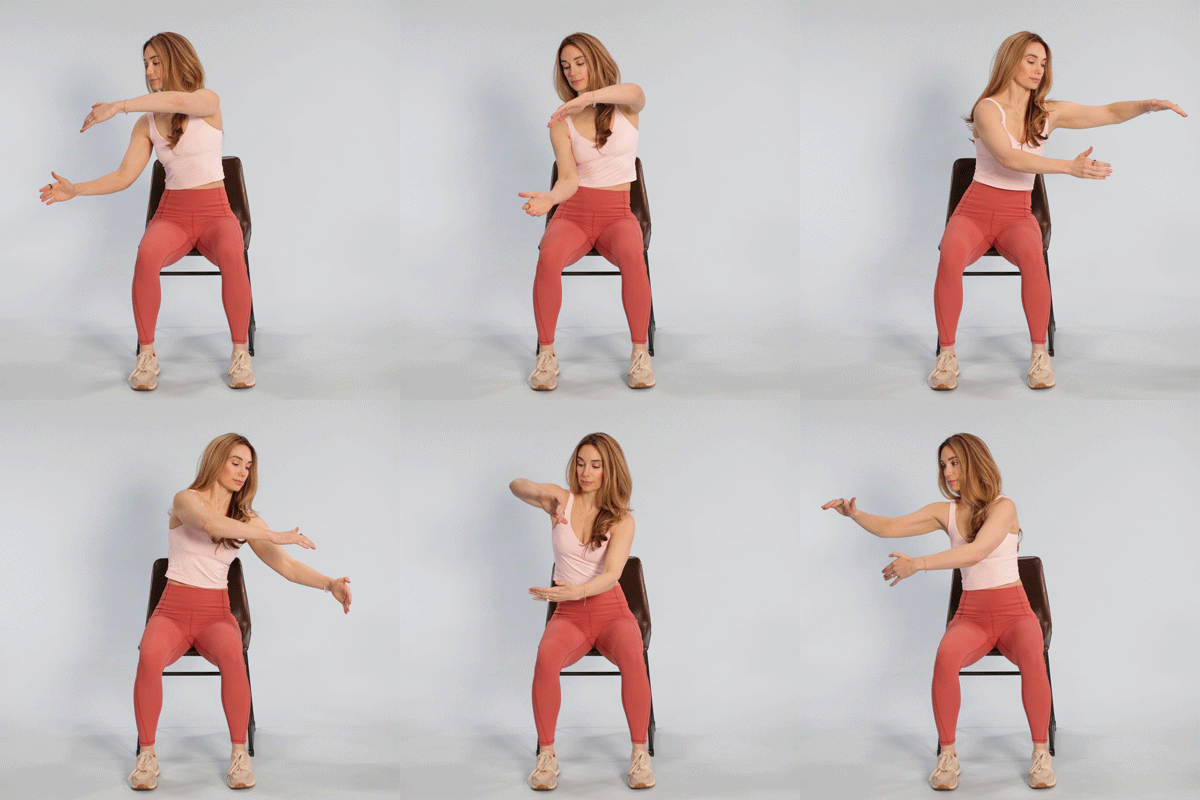
Touching the Nose and what it Really Means in Body Language
Inclusive fitness is about creating environments where everyone feels welcome and can achieve their fitness goals. This often involves using adaptive equipment, which is specially designed to accommodate different physical capabilities and enhance accessibility. Whether it’s through modified weights, resistance bands, or muscle building workout plans specialized machines, these tools help in performing functional training that improves daily living skills and overall mobility.
How Special Strong Designs Adaptive Fitness Exercises for Inclusive Training
Avoid jumping into high-intensity activities right away, as this could lead to injury or strain. Instead, gradually increase the intensity, duration, and difficulty of your workouts over time as you become more comfortable. Adaptive balance and flexibility activities are crucial for enhancing coordination, improving range of motion, and preventing falls.
Conditions
Creating a culture of support and friendliness bolsters the motivation and dedication of participants, fostering a sense of belonging and mutual encouragement. Incorporating a variety of exercises keeps routines engaging and sustainable, preventing plateaus and encouraging continuous improvement. Regularly introducing new elements or increasing difficulty helps maintain motivation and drive. You can find state and local adaptive sports programs and accessible activities through the website of the Challenged Athletes Foundation.
STOP GUESSING. START PROGRESSING.
Understanding these types can help create effective and personalised fitness programs for individuals with varying needs. Examples of adaptive exercises include chair yoga, wheelchair workouts, water-based exercises, and resistance band exercises. Utilizing weights or other forms of resistance during strength training activities helps to increase bone and muscle mass, balance, and fall prevention. Your focus will concentrate on strengthening your upper body if you have restricted mobility in your legs. Similarly, your emphasis will be more on strengthening your legs and core if, for example, you have a shoulder issue. Adaptive fitness is a form of specialized and personal training specifically made for individuals with permanent or temporary disabilities.
Modifying cardiovascular, breathing, and muscle-strengthening exercises can make them easier for people with COPD to perform. If you’re new to exercise, start slowly and aim for activity that brings you to 40–50% of your maximum heart rate. You can gradually increase the amount of time you exercise and the intensity of your workout. People with disabilities often face challenges such as inaccessible facilities, pain, and fatigue. But by investing in adaptive fitness, which is based on actionable plans built based on your level of activity, you can push your boundaries with confidence. Whether you’re a solo trainer, gym owner, or trainer at a facility, you can create a culture that invites and celebrates all people.
Transform Your Health Journey
- With a multifaceted range of disability profiles, game-changing accessibility tools democratize the online adaptive workout.
- By focusing on individual capabilities and goals, they offer a pathway for all to improve their health and fitness.
- The side plank is a very difficult adapted fitness exercise to perform because you must support your entire body with your core and shoulder.
- By focusing on tailored exercises, adaptive workouts facilitate participation in physical activity for everyone, regardless of their limitations.
- Battle ropes are one of the most effective seated cardio exercises for building upper-body endurance.
- These classes may include chair yoga, water aerobics, or adaptive dance, providing opportunities for individuals to stay active in a group setting.
Cardiovascular fitness supports recovery by improving oxygen delivery to tissues and enhancing overall resilience. Post-injury exercise should align with professional recommendations regarding range of motion and load tolerance. Exercise modifications by age also matter because younger individuals may heal faster while older adults may require gradual progression. Understanding your diagnosis allows you to design a plan that maintains movement without placing unnecessary stress on vulnerable areas. An injury or new health diagnosis can feel like a setback, especially for people who rely on exercise to stay strong and balanced. Whether it is a sprained ankle, back pain, heart condition, arthritis, or recovery from surgery, the fear of losing progress often causes anxiety.
Functional Movement: Reach-and-Pull or Sit-to-Reach
This is excellent for clients with cerebral palsy, joint issues, or chronic pain. We are NOT a normal gym nor do we provide a normal workout or experience. Josh is an absolute beast and completely killed it during our recent 10 week weight loss challenge, losing a ton of weight and body fat!
Exercise programs for different ages become even more important for people dealing with chronic health changes. For instance, shorter periods of exercise distributed throughout the week may be more helpful for sustainability than infrequent high-intensity exercise. Keeping track of energy levels and adjusting exercise routines accordingly, based on changes in symptoms, helps ensure that exercise is a helping, not a hindering, factor in health. In post-injury exercise programs, bodyweight exercises often provide a safe starting point before progressing to weights.
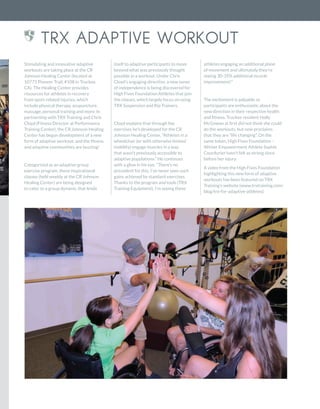
Adaptive Exercises for Hearing Impairments
We’re honored to support veterans and individuals with disabilities by providing free, safe, and effective training. At GYMGUYZ, we believe that everyone deserves the opportunity to improve their physical and mental well-being through exercise. That’s why we’re passionate about bringing adaptive fitness solutions directly to you, wherever you are.

Add Comment