
How to Leverage AI for Better Health and Fitness

- May 28, 2026
- 134
- Uncategorized
Asensei isn’t just a top AI fitness app; it’s a glimpse into the future of health and wellness. Combining motion capture, real-time feedback, and adaptive coaching redefines what’s possible in a virtual fitness experience. Sweatcoin is more than an app; it’s a look into the potential of AI driven fitness apps in transforming how we think about health and activity. For IT professionals and founders, it is an inspiring example of how to leverage AI for impact, scalability, and user engagement. By offering structured workouts, tailored guidance and human-like feedback, beginners can feel more confident.
Make sure the AI fitness app has a way to track your workouts and show the progress of every step taken. AI fitness apps can actually tell if the posture or movement is not correct during the exercise. This AI fitness app has free and premium versions, with premium plans ranging from $10 to $20/month. User ratings are generally positive, around 4.3/5 stars, appreciating the comprehensive features and personalized plans. This AI exercise app has a free version with locked-in functions at your disposal.
Computer Vision in Patient Monitoring: The Mayo Clinic Approach Every Healthcare Leader Should Understand
Originally designed by powerlifters, Evolve AI has a strength focus to the workouts. This app uses AI to develop progressive overload and custom workouts, based on your workout data and training history. It crafts tailored workout plans that focus on muscle groups and activity levels, based on your fitness level and your goals. The potential for AI to further transform the fitness industry is vast, promising even more innovative solutions in the years to come. What the AI fitness industry is currently missing are dedicated programs for elderly patients or people with chronic medical conditions. The next step in AI algorithms research could be to improve the program by customizing its features and content to meet the specific needs of these specific user groups.
- AI is making waves in the healthcare and fitness industries, offering innovative solutions that enhance our daily routines.
- The fitness world is undergoing a remarkable transformation, and at the heart of this revolution is Artificial Intelligence (AI).
- You’ll free up more bandwidth and accomplish more business with less time and energy.
- Alter.me kicks off with a DNA test to reveal essential traits that shape people’s approach to fitness, health, and well-being.
- The latter serves as the eyes and ears of the in-app AI and collects behavioral and biometric data that then becomes personalized workout plans.
- By addressing these issues, we can ensure that AI technologies are used responsibly and effectively.
What support will I need after launching an AI fitness app?
Thus ensuring comprehensiveness while remaining challenging for advanced users. Not all bodies move the same way, and that’s where biomechanical analysis comes in. This AI-driven tool dives deep into the mechanics of your movement, think of it as a detailed breakdown of how your body performs during exercise. Leverage our 15+ years of health tech expertise to create intelligent, personalized fitness experiences.
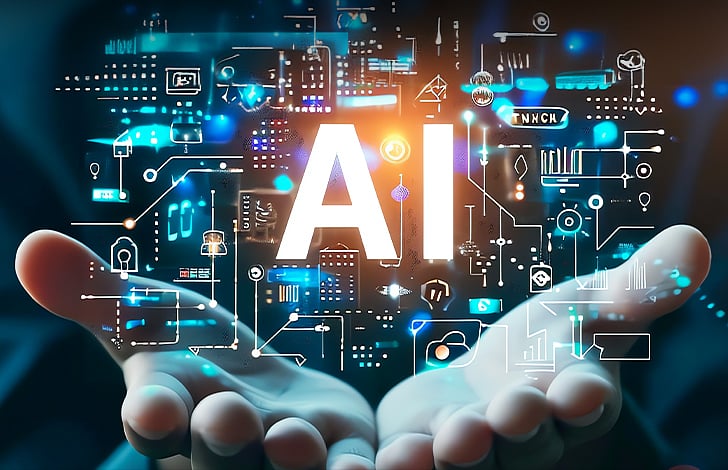
AI fitness revolution 2026: How smart apps are reshaping workouts and wellness
This technology helps provide detailed and valuable insights about sleep stages, like light sleep, deep sleep, and REM sleep. AI fitness coaches and digital characters might seem worlds apart, but their underlying technologies are more similar than they appear. Both rely on personalization, emotional intelligence, and the ability to adapt to user needs.
An Overview of AI in the Fitness Industry Today
Using pose estimation and activity tracking, our AI systems track and analyze movements, providing real-time feedback to improve performance, just like a personal trainer would. Each user receives a plan specifically designed to help them achieve their fitness goals in the most efficient way possible. This proactive approach to injury prevention is a significant leap forward in fitness technology, empowering individuals to train smarter and safer. By integrating data from various sources, including fitness trackers, food logs, and even genetic information, AI can offer a level of dietary personalization previously unattainable. Conversely, after a night of restful sleep, the app could recommend a more challenging HIIT workout or strength training session.
Although, what’s so special about Sweatcoin’s AI-based fitness features?
By monitoring metrics such as flexibility and strength, AI creates personalized rehabilitation programs, providing real-time feedback and adjustments to exercises for more efficient and effective recovery. This approach helps users regain their full capabilities safely and minimizes the risk of re-injury. This personalized approach enhances user engagement and adherence to fitness plans. Machine learning models can predict the optimal workout intensity and duration based on individual responses to previous training sessions. This predictive capability ensures workouts are challenging yet attainable, reducing the risk of overtraining and promoting consistent progress.
Sign in to view more content
Imagine having a personal coach who watches every step you take, literally. By analyzing the way you walk or run, it identifies subtle inefficiencies in your movements that might otherwise go unnoticed. This is based on “horse race” polling, which estimates how much support candidates have, based on how people answer surveys. But accurately measuring the horse race is hard due to different circumstances.
Americans See Health Care Costs, Deficit, Inflation as Big Problems Facing the Nation
When playing the long game — maintaining well-rounded health — fitness milestones are checkpoints to mark your progress. Intelligent products like smart yoga mats can give you real-time guidance and feedback, while digital trainers can hold you accountable when you feel lethargic. AI allows trainers to craft highly customized workout programs by analyzing client data, tracking progress and making real-time adjustments, according to Belgrave. Many apps fail because they don’t adapt to user progress or provide motivation.
Multiple indicators show a decline in the health of America’s democracy in 2025
Gyms are adopting AI technologies to improve member experiences, while fitness apps leverage machine learning to deliver more precise and tailored guidance. This move towards smart fitness solutions is making healthy living more attainable for everyone. Smart home gyms are on the rise, equipped with AI-powered equipment and virtual trainers. These systems bring the quality of a professional gym to the comfort of your home, offering personalized coaching and real-time adjustments to workouts.
Do AI fitness apps work without equipment?
For example, an individual with a specific dietary restriction, like gluten intolerance, could receive AI-generated meal plans that adhere to their needs while ensuring optimal nutrient intake. This level of personalization ensures that fitness plans are not only effective but also sustainable in the long run. By collecting https://www.hellopeter.com/mad-muscles and analyzing vast amounts of user data, AI algorithms can identify patterns and trends that inform personalized recommendations. Data privacy and security are paramount in AI-powered nutrition platforms. As these systems rely on sensitive personal information, robust security measures and transparent data handling practices are essential to maintaining user trust.

Add Comment