
The Fascinating World of British Horse Racing Not Just a Bet Away

- August 18, 2026
- 89
- Uncategorized
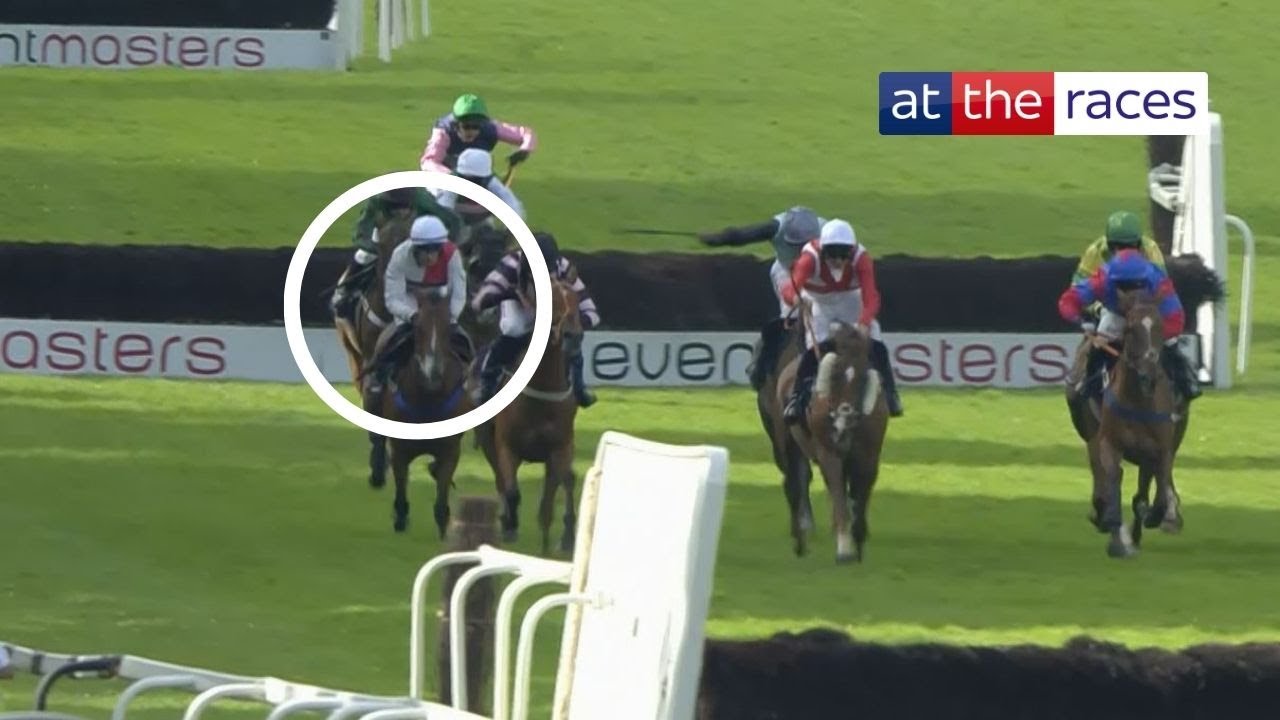
The Fascinating World of British Horse Racing: Not Just a Bet Away
British horse racing is a sport deeply embedded in the culture and history of the United Kingdom. It transcends beyond mere betting and gambling, encompassing rich traditions, regal events, and a community that spans generations. For those interested in exploring more than just the excitement of placing a wager, there is a plethora of aspects to discover. Among these, strikingly, there are arenas where betting is not the primary focus, such as British horse racing not on GamStop, where enthusiasts can celebrate the sport in its purest form.
Horse racing in Britain has been a popular pastime since at least the 16th century, with its popularity skyrocketing in the 18th century. The sport has evolved, adopting various forms and styles, each distinct to its region. One of the most recognized events is the Grand National, which occurs annually at Aintree Racecourse in Liverpool. This race is not only about the thrill of competition but also about community, nostalgia, and the elegance of the sport.
Beyond betting opportunities, British horse racing serves as a cultural showcase. Events often attract attendees in extravagant outfits and hats, embodying a sense of glamour and elegance. Race days are social occasions, not just for the hardcore enthusiasts but for families and social groups as well. The atmosphere is electric, filled with excitement and camaraderie among racing fans.
The Culture of British Horse Racing
The culture surrounding horse racing in Britain is rich and diverse. From flat racing to steeplechasing, each type of race has its unique atmosphere and audience. Flat racing is characterized by races over a straight or oval course, while steeplechasing includes jumps and obstacles, making it more challenging for both horse and jockey. Events like Royal Ascot epitomize the elegance of flat racing, with its royal connection and attire standards, showcasing a blend of sport and high society.
Furthermore, equestrian races have become platforms for charity fundraising, community engagement, and celebrations of local heritage. Many local meets and smaller events gather communities together, fostering a sense of identity and pride. These events promote not only the love of the sport but also the well-being of the community.
The Role of Jockeys and Trainers
The individuals behind the scenes are fundamental to the triumphs and tribulations of horse racing. Jockeys often become celebrities in their own right, celebrated for their skills and bravery on horseback. The relationship between a jockey and their horse is critical; trainers invest significant time and effort in developing this bond, ensuring that both horse and rider can perform at their best.
Trainers play an invaluable role in shaping the future of racing, selecting and nurturing horses from an early age. The dedication to training requires profound knowledge of horse behavior, physiology, and nutrition. The culmination of these efforts can be seen in the performances of racehorses on prestigious racing days, where their hard work is rewarded both in accolades and prize money.
Challenges Facing Horse Racing Today
Despite its storied history and cultural significance, British horse racing faces numerous challenges in the modern era. Issues like animal welfare, environmental impact, and the shifting landscape of betting due to online platforms have raised important questions. Organizations must navigate these challenges with care, ensuring the sport remains ethical and sustainable for future generations. Furthermore, the conversation around gambling addiction highlights the need for responsible practices within the industry, particularly concerning organizations like GamStop and their initiatives to promote safer gambling.
Additionally, the rise of technology has transformed how fans engage with the sport. Online streaming and betting platforms have made horse racing more accessible, attracting a younger audience. However, this shift also raises concerns about maintaining the traditional aspects of the sport that some long-time fans hold dear. Balancing modernity while respecting the heritage of horse racing is a challenge that stakeholders must embrace cohesively.
The Global Influence of British Horse Racing
British horse racing is not just a national pastime; it holds a significant position on the global stage. Countries around the world look to British racing for inspiration and structure, often emulating the traditions and practices that have been honed over centuries. International race days, such as the Dubai World Cup, often feature British-trained horses competing against the best from around the globe, further elevating the UK’s standing in the equestrian world.
This global influence not only enhances the prestige of British horse racing but also nurtures international collaborations. Partnerships with breeders, trainers, and jockeys from various countries allow for the exchange of knowledge and expertise, thus improving the overall quality of racing worldwide. As such, the legacy of British horse racing continues to impact the international landscape.
Conclusion
In conclusion, British horse racing is far more than an event for wagering—it is an amalgamation of culture, tradition, sport, and community. While betting may add an exhilarating edge to the experience, numerous facets contribute to the sport’s charm. As racing in Britain evolves, navigating challenges while celebrating its rich heritage will be pivotal for its enduring legacy. Whether you’re a passionate fan or an intrigued newcomer, there is always something more to discover in this multifaceted world of British horse racing.
The realm of horse racing, especially the niche where betting is not the sole focus, invites everyone to appreciate the artistry, dedication, and community enveloping this noble sport. So, whether attending a grand event or exploring the local tracks, let the allure of British horse racing captivate your heart and inspire your spirit.

Add Comment